How to test your message before you make the ad
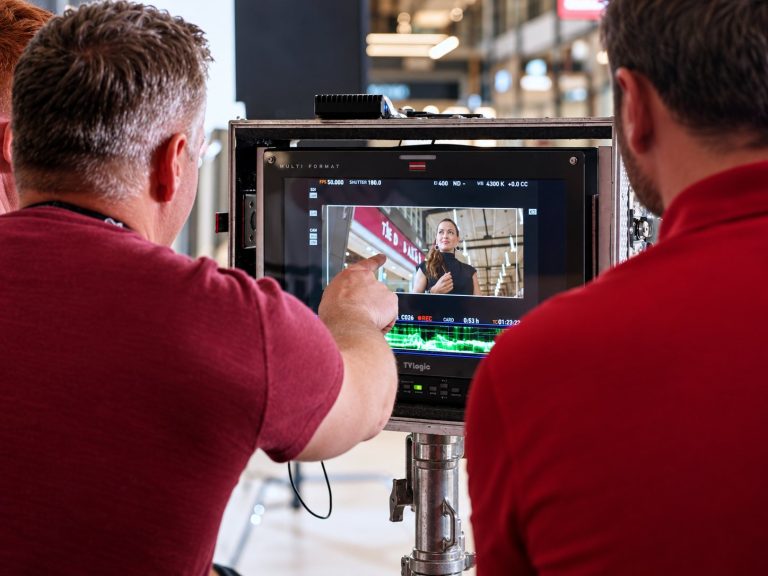
There are quick, inexpensive ways to find out which message your customers respond to before anything is filmed, and limits to what they can tell you.


There are quick, inexpensive ways to find out which message your customers respond to before anything is filmed, and limits to what they can tell you.
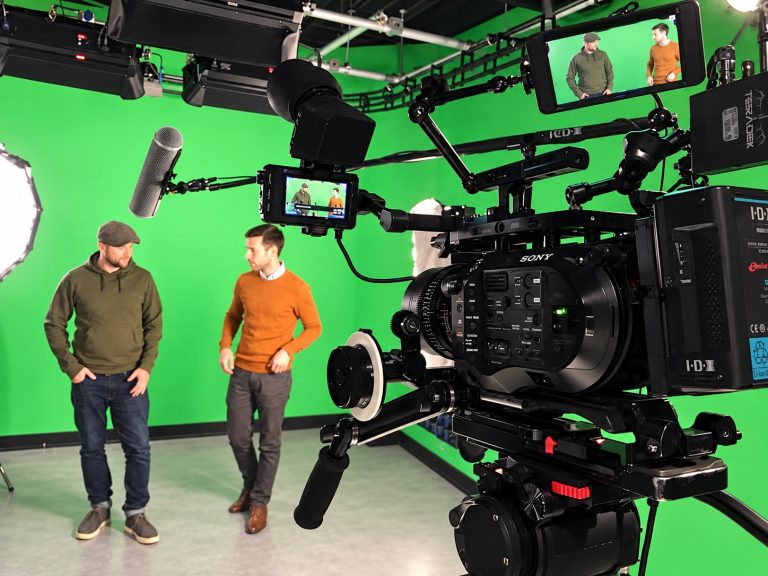
With animation, everything on screen has to be designed and built from scratch. Here are the four stages, and what you’ll be asked to approve at each.
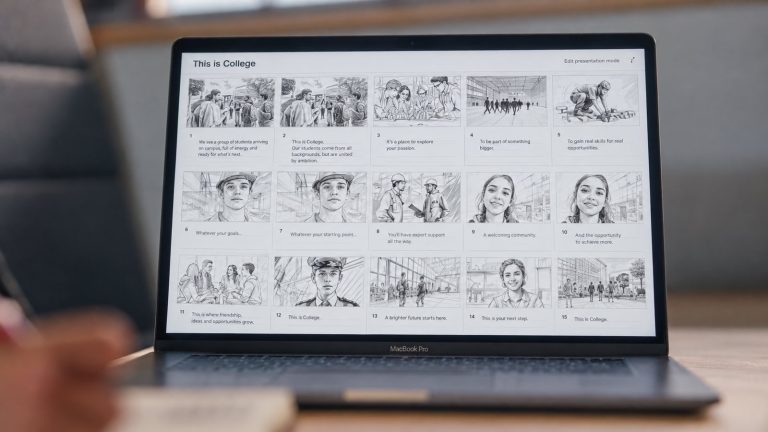
A storyboard shows you your TV advert, scene by scene, before anything is filmed. Here’s what goes into one and why it saves time and money.

You don’t have to buy the whole country to be on ITV. Here’s how its regions work, how the airtime is priced and when a region is the right size.
Channel 4 reaches younger, harder-to-find viewers on live TV and on streaming. Here’s how its advertising works and where it fits in a campaign.
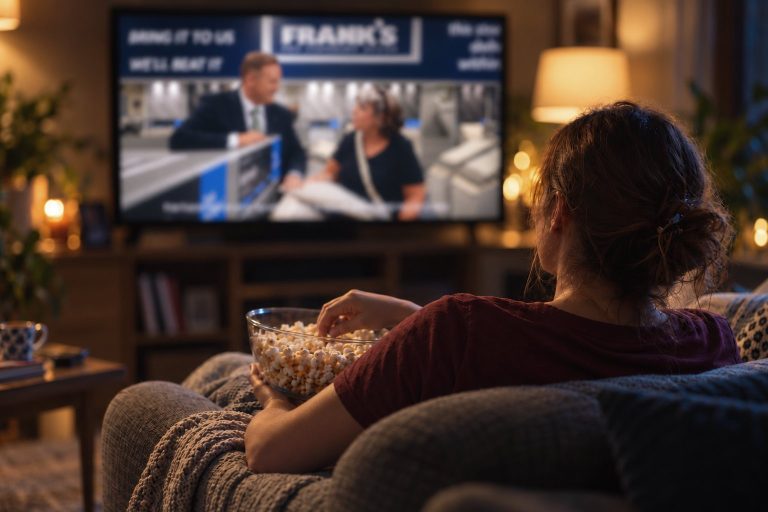
Most advertising reaches people one at a time. TV reaches them together, on the sofa, where they talk about what they’ve just seen.
The same advert in the same break can cost very different amounts depending on when you run it. Here’s why, and how to use it to your advantage.
When sales slow down, the advertising budget is usually the first thing to go. Here’s what the research says happens next, and some ways to spend less without disappearing.
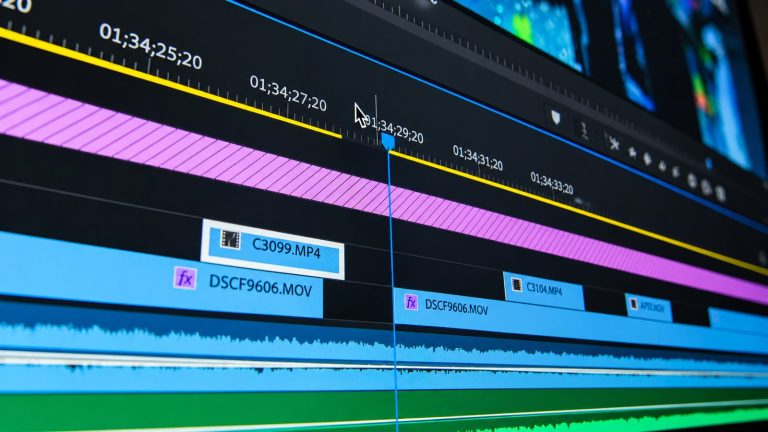
Airtime is priced by length, so ten, twenty, thirty or sixty seconds is a real decision. Here’s what each length is good for and how to choose.
A break on ITV1 can last up to 3 minutes 50 seconds. Here are the Ofcom rules behind that, and why they matter if you’re thinking about advertising.
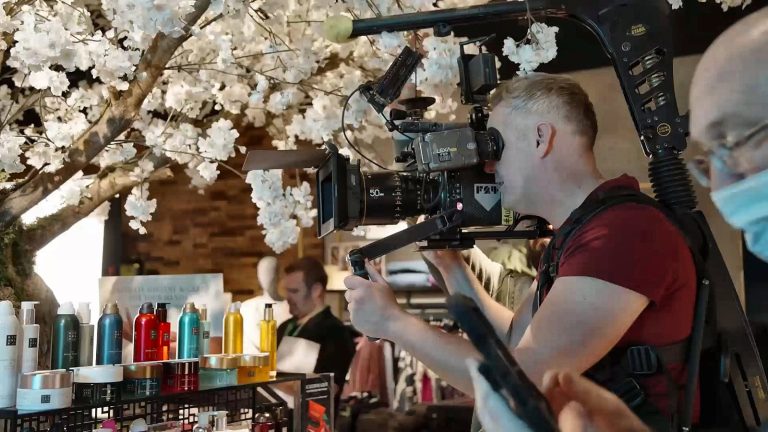
If you’re marketing a shop or a shopping centre, the only question is whether more people came through the door. Here’s how TV drives footfall, and how to plan a retail campaign.

Why do some adverts stick for years while others are forgotten by the end of the break? What the research says, and how we use it.