What is HFSS, and how does it affect my TV ad?
New rules on advertising less healthy food and drink came into force in January 2026. Here’s what HFSS means, who’s affected and what you can still do.

New rules on advertising less healthy food and drink came into force in January 2026. Here’s what HFSS means, who’s affected and what you can still do.
Sky has agreed to buy ITV’s channels and ITVX. Here’s what has been announced, what hasn’t, and what we think it could mean if you advertise on ITV.
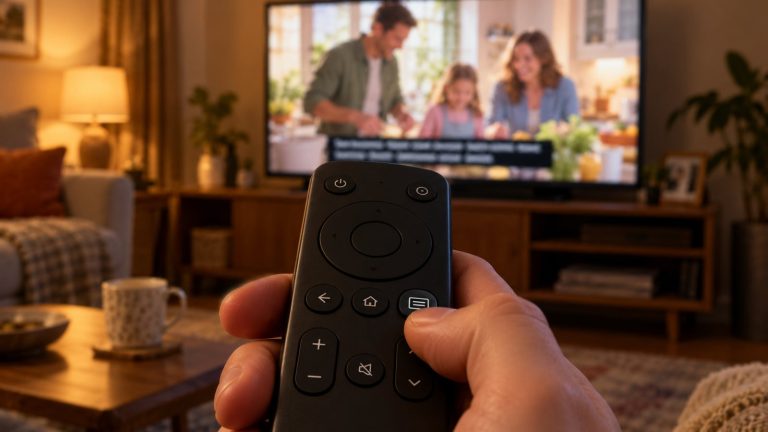
Channel 4 has required subtitles on every advert since March 2026, and ITV follows in January 2027. Here’s what’s changed and what it means for your campaign.
Prime Video has shown adverts in the UK since 2024, and most homes that have it now see them. This is how advertising there works, and who it suits.

In the 1990s a Pepsi advert jokingly priced a fighter jet at seven million points, and a student sent a cheque for it. This is how it ended up in court.
Every TV advert in the UK has to be approved by Clearcast before it can go on air. Here is how the process works, step by step.
Channel 5 is now simply called 5, and the way its advertising is sold is about to change. Here’s how it works today and what’s different from 2027.
TVRs, BVOD, AdSmart, clock numbers and supers: the terms you’ll hear when you advertise on TV, explained in plain English.

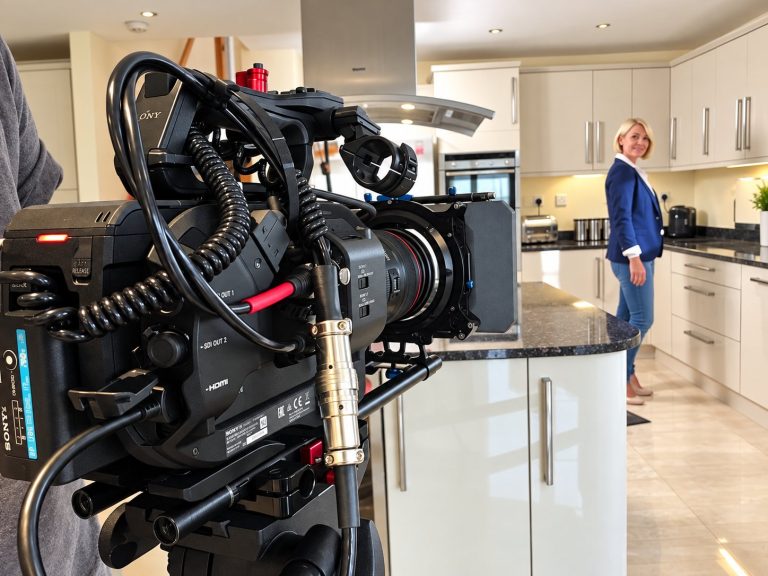
DOP, gaffer, grip, focus puller, DIT: a plain-English guide to the people who make a TV advert and what each of them does.
DRTV is TV advertising built to get an immediate reaction. Here’s how it works, who it suits, and where its limits are.
The ASA asked the public which advertising slogans they remember best. Here is the top ten, and what any business can learn from it.

Every TV advert is checked before it goes on air, and it runs alongside programmes people already trust. In the age of AI, that counts for more than ever.