What is HFSS, and how does it affect my TV ad?
New rules on advertising less healthy food and drink came into force in January 2026. Here’s what HFSS means, who’s affected and what you can still do.

Clearcast and the rules every TV advert has to meet before it can go on air.
New rules on advertising less healthy food and drink came into force in January 2026. Here’s what HFSS means, who’s affected and what you can still do.

Channel 4 has required subtitles on every advert since March 2026, and ITV follows in January 2027. Here’s what’s changed and what it means for your campaign.
Every TV advert in the UK has to be approved by Clearcast before it can go on air. Here is how the process works, step by step.
A break on ITV1 can last up to 3 minutes 50 seconds. Here are the Ofcom rules behind that, and why they matter if you’re thinking about advertising.
Every so often an advert makes the news for being banned. Here are some of the best-known cases, what went wrong each time, and what they have in common.

Clearcast checks your advert before it goes on air, and the ASA deals with complaints afterwards. Here’s how the two fit together and why it matters to you.
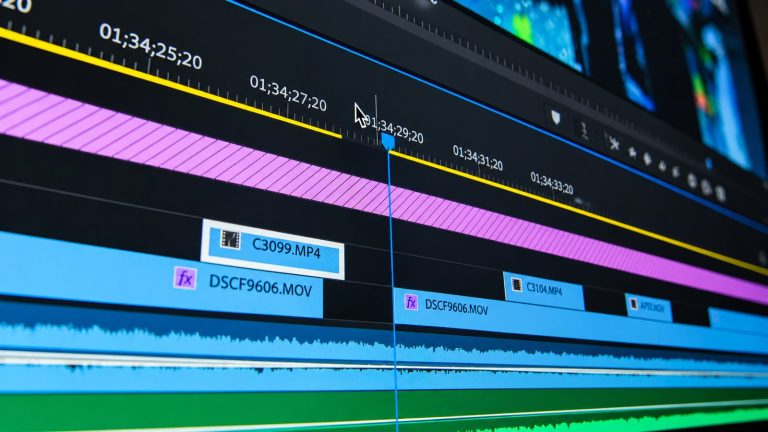
Every TV advert has to be checked for flashing images before it can go on air. Here’s what the Harding Test is, why it exists and what happens if an ad fails.
Supers are the small print you see at the bottom of a TV advert. Here’s what they’re for, the rules on size and timing, and how the wording gets agreed.

“Cheapest”, “best”, “number one” and “greener” are all lines that need care on television. Here’s where advertisers tend to come unstuck.
Yes, you can, but there are rules to follow. Here’s what Clearcast expects when an animal appears in a TV advert, and how we plan for it.

If your advert mentions monthly payments or an interest rate, it comes with small print that has to be a certain size and stay on screen for a certain time.