Why do TV ads get banned?
Every so often an advert makes the news for being banned. Here are some of the best-known cases, what went wrong each time, and what they have in common.


Every so often an advert makes the news for being banned. Here are some of the best-known cases, what went wrong each time, and what they have in common.
The usual objection to TV is that you’re paying to reach people who’ll never buy. Here’s why that’s not how it works, and why reaching more people is the point.

We’re based in Gateshead and have been making TV adverts for North East businesses for more than 20 years. Here’s how advertising on TV works in our region.

Putting staff, customers or people you know in your advert can keep the cost down, but it comes with risks. Here’s when it works and when an actor is the better choice.
Evenings have the biggest audiences, but that doesn’t make them the best time for every advert, and the day of the week matters as well.
Should your advert run flat out for a fortnight, or tick over all year? The three ways of scheduling a TV campaign, and how to choose.
AdSmart from Sky lets you show a TV advert only to the households you choose. Here’s how it works, what you can target and when it’s the right choice.
You don’t have to buy ad breaks to be on TV. Sponsoring a programme puts your name next to something viewers already love. Here’s how it works.

Clearcast checks your advert before it goes on air, and the ASA deals with complaints afterwards. Here’s how the two fit together and why it matters to you.
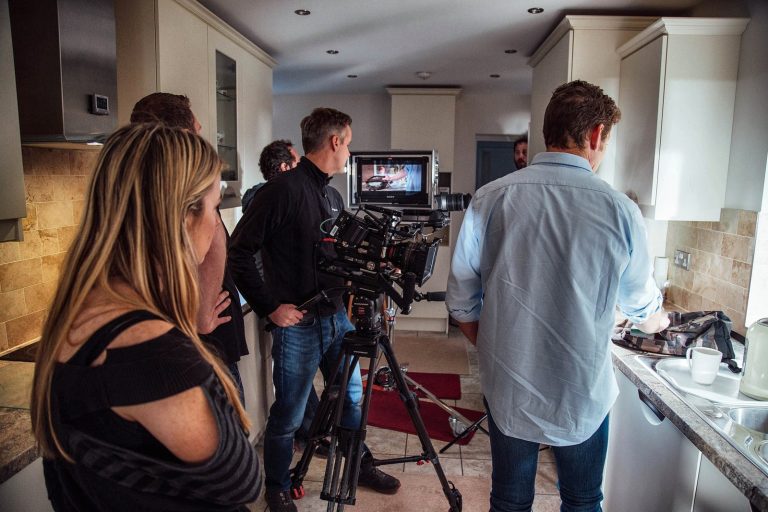
If you’re marketing a home improvement company, the job is to be one of the two or three names people ring for a quote. Here’s how TV gets you there.

Social media ads are quick and cheap to start, and TV builds trust and lasts longer. Here’s an honest look at what each one is good at.
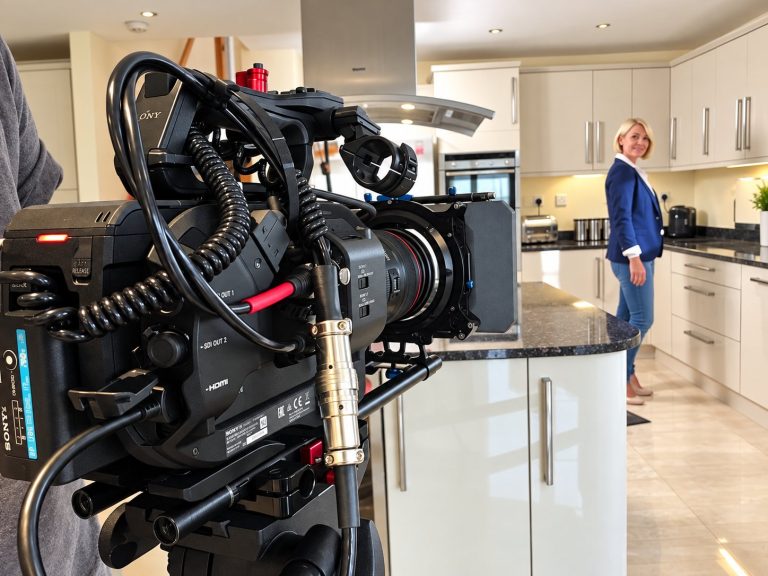
Some adverts are made to be remembered, and some are made to get the phone ringing today. The two work in different ways, and it pays to know which you need.