


When the cameras stop rolling, it can feel as though the hard part is over. In fact it’s only half the story, because post-production, which is everything that happens between the shoot and the broadcast, is where the advert really comes together. What comes back from a shoot is a pile of separate shots, most of them filmed several times over and none of them in order, and it’s only in the edit that they become something you could put on television.
A surprising amount of the creative work is done at this stage, and some adverts are made almost entirely in it. When lockdown meant nothing new could be filmed for South Tyneside College, we made their campaign from stock footage, overlaid with superhero-themed graphics and given a brand new message.
However much there is to do, we keep the process simple, with three stages, so that you always know where things stand and what we need from you. As standard, there are three rounds of changes built in, unless we’ve agreed something different with you.
Stage 1: the rough cut
Before you see anything, the editor goes through everything that was filmed, chooses the best take of each shot and puts them together in the order of the storyboard. The real work of the edit comes next, which is deciding how long each shot stays on screen and exactly where each cut falls, so that the story is clear and the advert comes in at the right length. On television that means to a fraction of a second.
The result is the rough cut, and it’s the first time you’ll see your advert as an advert. We’ll send it as a review link, which lets you click on the video at any point and leave a comment right there, and you can share the link with colleagues so that everybody sees the same thing.
It won’t be finished, and knowing what’s missing makes it easier to look past it. The graphics won’t be on it yet and the sound won’t have been mixed. The colours won’t have been graded either, and ungraded footage can look flat and a little washed out, because the camera records it that way on purpose to keep as much detail as possible for later. If there’s a voiceover, we’ll normally have used a temporary voice just to get the timing right.
What you’re judging here is the shape of the advert, so watch it straight through a couple of times before you start pausing it, because that’s how a viewer will see it. The music matters most at this stage. Whether it’s a library track, music written for you or a famous song used under licence, we usually cut the pictures in time with it, so if the music changes later, the whole edit may have to be rebuilt around the new one.
The pace is the next thing to judge, and if it feels too fast or too slow, now is the time to say so. Then there are the shots themselves, and whether you’re happy with the ones we’ve chosen and the order they’re in. If there’s a moment you remember from the shoot that hasn’t made it, do ask, because there’s usually a reason, and sometimes it can be worked back in.
Once you’re happy with the rough cut, we lock it down before moving on, which you may hear called picture lock. After that, big changes to the edit mean going backwards, which takes extra time and can add cost, because the graphics, the sound and the colour are all built on top of the locked pictures.
Stage 2: graphics
With the edit agreed, we add everything that sits on top of the picture: titles, logos, names, any animation and the text at the end. If your advert needs supers, which are the small lines of legal text at the bottom of the screen, this is when they go on. And if anything was filmed against a green screen, this is when the green is replaced with whatever is meant to be behind the people in the shot.
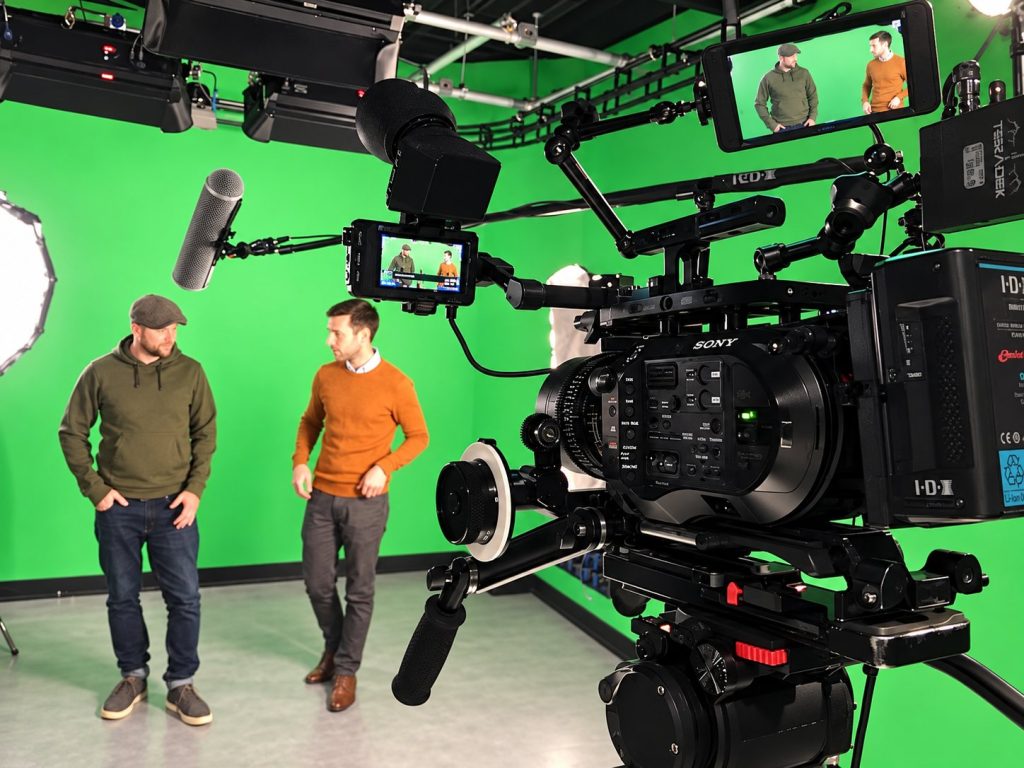
At this stage, check:
- that the branding is right, including the logo, fonts and colours
- every word on screen, especially names, prices, phone numbers and web addresses
- that anybody who needs to approve the wording has seen it
It’s remarkable how often a wrong digit in a phone number gets past three people, so it’s worth reading everything twice, and worth dialling the number and typing in the web address exactly as they appear on screen.
Stage 3: the final polish
Once the words on screen are right, the last stage is where the advert starts to look and sound like something you’d see on television. We record the final voiceover, mix the sound and grade the colour so that every shot matches. The grade is also where the overall look is settled, and it’s what stops a shot filmed first thing in the morning looking different from one filmed late in the afternoon. The sound mix does the same job for the ears, balancing the voice, the music and the effects so that every word can be heard on an ordinary television in an ordinary living room.
For a TV advert there’s some technical work here as well. The finished advert is checked for flashing images with the Harding Test, subtitles are arranged with a specialist subtitling service, and the sound is mixed to broadcast standards, which include a rule that adverts mustn’t sound louder than the programmes around them. Then it goes to Clearcast for final approval.
If you’re having other versions made, this is when they’re finished too. That might be a shorter cut to run alongside the main advert, a set of versions shaped for social media, or one for cinema. They all go more smoothly when we’ve known about them from the start, because the advert can be written and filmed with them in mind.
We’ll ask for your sign-off on the fully finished version before anything is sent to a broadcaster. Once we have it, we prepare the advert in the format the broadcasters ask for and deliver it to them in good time for your first airdate.
How the rounds of changes work
All the way through, changes are handled in rounds, and a round is one collected set of feedback, not a series of separate emails. That matters more than it might sound, because one change often affects something else. Shortening a shot can throw out the timing of the voiceover, for instance, and when the comments arrive together the editor can see how they bear on one another and deal with them in a single pass.
So the smoothest way to do it is to gather everyone’s comments, agree between you where they conflict, and send them over in one go. If two people on your side want opposite things, it’s much better that you settle it than that we guess. Involve the decision-makers early as well, because if the managing director is going to have a view, it’s far better to hear it at the rough cut than on the day of delivery, when acting on it means undoing work that everybody else has already approved.
How quickly the comments come back matters as well, because by this point there’s usually a date the advert has to be on air, and the sooner we hear from you at each stage, the more slack there is left for everything that follows.
What if we need to go back a step?
It happens, and it’s absolutely fine when it does. Just bear in mind that it can add time and cost, which is why we ask you to look carefully at each stage before we lock it, and why the music in particular is best settled at the rough cut.
The other thing to be careful with is anything that changes what the advert says, as opposed to how it looks. The script will already have been approved by Clearcast before the advert was made, so a new claim, a different offer or a reworded line of legal text at a late stage may have to go back to them before the finished advert can be cleared. If the final voiceover has already been recorded, a change to its wording means recording it again as well. We’d handle all of that for you, but it does take time.
Our aim is for the whole thing to feel easy and well organised, and for you to end up with an advert you’re proud of. The people who do each of these jobs are in our guide to the crew, and if you’d like to see where this fits into the bigger picture, have a look at the process from brief to broadcast.
Keep reading.
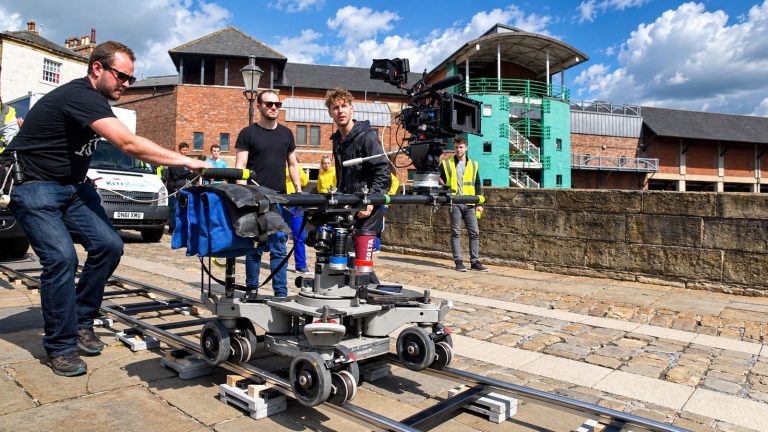
Who does what on a TV ad set? A guide to the crew
DOP, gaffer, grip, focus puller, DIT: a plain-English guide to the people who make a TV advert and what each…

What happens at a TV ad shoot? A guide for clients
If you’ve never been on a film set, the shoot day can be a bit of a mystery. Here’s what…

Can I use my existing video as a TV ad?
A promotional or social media video can sometimes go on TV, though rarely exactly as it is. Here’s what usually…
Ready when you are.
Tell us a little about what you're hoping to achieve and we'll take it from there.
Let's talk about your campaign